
From September 1, 2026: Speed Limit on Residential Roads Reduced to 30 km/h in Japan — Traffic Violations May Affect Permanent Residency and Naturalization
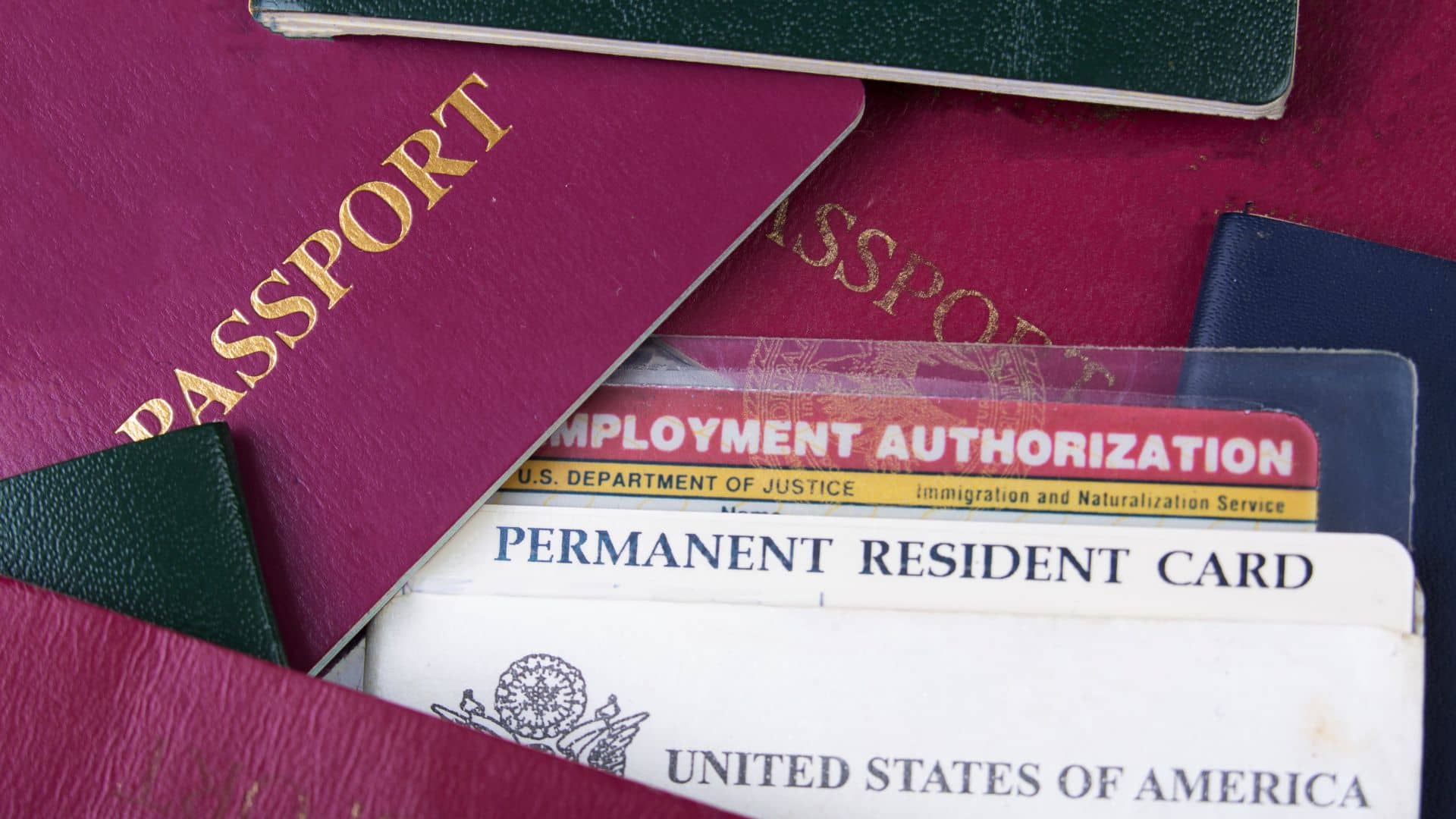
Japan’s traffic rules changed on September 1, 2026.
If you are a foreign resident who drives in Japan, there is one important change you should know about:
The statutory speed limit on certain residential and local roads is now 30 km/h.
There is another important reason to be careful if you are considering applying for Permanent Residency (PR) or Japanese citizenship in the future.
Traffic violations may affect your Permanent Residency or naturalization application, depending on their seriousness and frequency.
Even if there is no “30 km/h” speed limit sign, the new 30 km/h statutory speed limit may still apply.
The new rule takes effect today, September 1, 2026. If you drive in Japan, please make sure you understand the change and drive carefully.
目次
What Changed on September 1, 2026?
Until now, the statutory speed limit for motor vehicles on ordinary roads without a posted speed limit was generally 60 km/h.
From September 1, 2026, the statutory speed limit has been reduced to 30 km/h on certain ordinary roads without a center line or traffic lanes.
This mainly applies to smaller roads used by local residents in their daily lives, often referred to as “residential roads” or “local streets.”
Examples may include:
- Narrow roads in residential neighborhoods
- Streets surrounded by houses
- Roads near schools and parks
- Narrow roads frequently used by pedestrians
One of the most important points to understand is that the 30 km/h limit may apply even when there is no “30 km/h” speed limit sign.
If you continue driving based on the old rules without realizing that the law has changed, you could unintentionally commit a speeding violation.

Be extra careful on roads you drive every day! No speed limit sign doesn’t automatically mean the limit is 60 km/h.
How Can I Tell Whether the 30 km/h Limit Applies?
You may be wondering:
“How do I know whether the speed limit is 30 km/h?”
This may be one of the most confusing parts of the new rule.
First, check whether there is a speed limit sign.
If there is a sign showing a maximum speed such as “30” or “40,” follow the speed limit indicated on that sign.
If there is no speed limit sign, look at the structure of the road.
Under the new rule, the 30 km/h statutory speed limit generally applies to ordinary roads without a center line or traffic lanes.
On the other hand, ordinary roads with a center line or designated traffic lanes, as well as roads where opposing traffic is separated by a median or similar structure, are generally not subject to this new 30 km/h statutory limit.
An easy way to remember the rule is:
- First, check for a speed limit sign.
- If there is no sign, check whether the road has a center line or traffic lanes.
No “30 km/h” Sign Does Not Always Mean You Can Drive at 60 km/h
This is one of the most important points for drivers to understand.
Just because there is no “30 km/h” sign does not mean that you can drive at up to 60 km/h.
Until now, drivers may have been accustomed to the general 60 km/h statutory speed limit on ordinary roads without a posted speed limit.
However, from September 1, 2026, the statutory speed limit is 30 km/h on roads covered by the new rule, even if there is no speed limit sign.
This may be particularly important for people who have been driving in Japan for many years and are used to the previous rules.
When driving through residential neighborhoods, please pay closer attention to both your speedometer and the road conditions.
Can a Speeding Violation Affect a Permanent Residency Application?
If you are planning to apply for Permanent Residency in Japan, traffic violations are something you should take seriously.
One of the requirements for Permanent Residency is good conduct (素行善良要件 / sokō zenryō yōken).
In simple terms, immigration authorities consider whether you have followed Japanese laws and lived appropriately as a member of society.
A single minor traffic violation does not automatically mean that your Permanent Residency application will be denied.
However, repeated traffic violations or serious speeding offenses may negatively affect the assessment of your Permanent Residency application.
For this reason, it is important not to assume that a traffic violation is too minor to matter.
Following traffic laws in your everyday life is also part of preparing for a future Permanent Residency application.
What About an Application for Japanese Citizenship?
Traffic violations can also be relevant when applying for naturalization to become a Japanese citizen.
Good conduct is an important part of the naturalization examination as well.
If you have a driver’s license, your history of traffic violations may be reviewed during the naturalization process.
Therefore, if you are considering becoming a Japanese citizen in the future, please be careful to follow Japan’s traffic laws.
This is especially important immediately after a rule change.
Do not let “I didn’t know the rule had changed” or “I was driving the same way I always have” lead to an avoidable traffic violation.
Even if you are not planning to apply for Permanent Residency or naturalization right now, it is worth keeping this in mind if you may consider applying in the future.
Not applying for PR or citizenship yet? Your driving record today may still matter in the future. Drive safely and follow the rules!
Why Was the Speed Limit on Residential Roads Reduced to 30 km/h?
The background to this amendment is a change in the nature of traffic accidents and road use in Japan.
While serious accidents involving motor vehicles have generally decreased over the long term, accidents involving pedestrians remain a concern.
In particular, accidents on narrow residential roads have been recognized as an important safety issue.
On residential streets, sidewalks and roadways are not always clearly separated. Children may suddenly enter the road from behind a house or building, and elderly pedestrians may need more time to cross the road safely.
Japan’s roads are also changing due to an aging population and the growing use of new forms of transportation.
Against this background, greater emphasis is being placed on protecting pedestrians and other people using local roads.
In this sense, the new rule represents a broader shift in road safety thinking:
From “car-centered” roads to “people-centered” roads.
Reducing the statutory speed limit to 30 km/h on residential roads is intended to make the streets we use every day safer for everyone.
Summary: The Rules Changed Today — Please Check Before You Drive
From September 1, 2026, Japan’s speed limit rules for residential and local roads have changed.
The key points to remember are:
- The statutory speed limit is now generally 30 km/h on certain residential and local roads without a center line or traffic lanes.
- The 30 km/h limit may apply even if there is no “30 km/h” speed limit sign.
- If a speed limit is indicated by a road sign, follow the posted speed limit.
- Depending on their seriousness and frequency, traffic violations may affect Permanent Residency and naturalization applications.
Laws and regulations can change while you are living in Japan, sometimes without you noticing immediately.
Traffic rules are especially important because they affect our everyday lives.
An avoidable traffic violation caused simply by not knowing about a new rule could potentially affect your future Permanent Residency or naturalization application.
At the same time, this amendment is not simply about making speed limits stricter.
It is intended to protect people walking through residential neighborhoods, children going to school, elderly residents, drivers, and everyone else who uses the roads.
The goal is to make everyday streets safer for everyone living in Japan.
Please keep the new rule in mind from today and drive safely.
Megumi Immigration Law Office provides consultations and support for Permanent Residency and naturalization applications in Japan.
If you are concerned about questions such as:
“Can I still apply for Permanent Residency if I have previous traffic violations?”
“Will my traffic violations affect my naturalization application?”
“When would be the best time for me to apply?”
Please feel free to contact us.
We will review your individual circumstances and help you understand how to prepare for your application.
Profile
Megumi Suzuki, Immigration Lawyer .
After graduating from universities in both Japan and Shanghai, I worked for about 12 years as an international flight attendant.
Through my encounters with people from diverse backgrounds, I was inspired by those pursuing their dreams of studying or working in Japan.
As an administrative scrivener, I focus on supporting foreign nationals — from visa applications to broader aspects of life in Japan.
Guided by my motto, “Supporting people beyond the flight,” I provide personalized and heartfelt assistance, valuing each person’s past, present, and future.
Even if it feels like a small question, please don’t hesitate to reach out — we’re always happy to help.